
Big Muddy Speaker Series presents:
What Do You Like to Do on the River?

Original Presentation on Oct 9, 2012 Big Muddy Speaker Series- Rocheport
“What do you like to do on the River?” by Rochelle Renken, Resource Science Field Chief, Missouri Dept. of Conservation
What do you like to do on the Missouri River? This question as well as many others was asked in the Missouri River Public Use Assessment in 2004 and 2005. During a thirteen month period, a 811 mile area was surveyed about recreational use. The area extended from the mouth of the Missouri River to Gavin Point Dam in Yankton, South Dakota.
During the assessment over 2.5 million visitors were surveyed. The results showed that visitors to the park engaged in 72 different activities. These activities include everything from mushroom hunting to flying model airplanes. The top three uses were sightseeing, fishing, and boating. The report also discovered that the economic value of the river to visitors was ranged from 20 to 38 million dollars.
Meet Your Presenter

Rochelle Renken
, the Resource Science Field Chief of the Missouri Dept. of Conservation
Rochelle Renken, the Resource Science Field Chief of the Missouri Dept. of Conservation took part in the assessment and presented information from the findings. The three goals in the survey were to estimate the amount and types of use, describe the users, and estimate the economic value of the river to users.
Related Presentations
Resources & Links
Upcoming Presentations

Leave No Trace Training on the Barge
October 14, 2026St. Louis, MO
Join us for a special Big Muddy Speaker Series on the Living Lands & Waters Barge where Perry Whitaker will lead us in a Leave No Trace Training.
See Event
Missouri River Relief: 25 Years on the Big Muddy
November 10, 2026Columbia, MO
Join us for a journey through time celebrating 25 years of Missouri River Relief's work on the Big Muddy.
See Event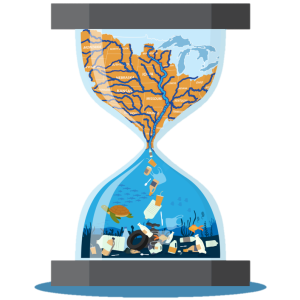
Plastic Pollution, Gulf Hypoxia, and Water Quality
November 11, 2026St Charles, MO
Jennifer Wendt from MidAmerica Clean Future guides us through understanding regional water quality challenges.
See Event