
Big Muddy Speaker Series presents:
Probing the depths of the Big Muddy: What does the bed of the Missouri River look like?


The Big Muddy is deep and mysterious. One can't just look down and see what is on the bottom the way you can in a clear Ozark stream. Scientists from the USGS at CERC have developed a variety of tools to see through the murky river and watch what is happening on the bottom. They use precise measurements to watch and record the migration of sand dunes, and see details like rocky outcrops and large trees on the bottom of the river. Through the use of sonar they image fish like the pallid sturgeon as they swim upstream and even spot them spawning in fast deep areas near the bottom of the river.
USGS Geologist Caroline Elliott shared what she's learned about the hidden world of the bottom of the Missouri River, and displayed images of this murky and shifting environment.
Meet Your Presenter

Caroline Elliott
, USGS River Studies Branch
Caroline's research was part of the Comprehensive Sturgeon Project.
Related Presentations
Resources & Links
is hosted by these wonderful partners:
- Greenway Network
- Missouri River Relief
- Friends of Big Muddy
- Big Muddy Adventures
- Big Muddy National Fish & Wildlife Refuge
- Big A’s Restaurant
All speakers are presenting for free and Big A’s is sharing the space for free! Thank you for sharing your knowledge with all of us!
The Big Muddy Speaker Series also takes place monthly in Rocheport and Kansas City.
A special thank you to Greg Poleski of Greenway Network and Mike Clark of Big Muddy Adventures for making this happen!
Upcoming Presentations

Leave No Trace Training on the Barge
October 14, 2026St. Louis, MO
Join us for a special Big Muddy Speaker Series on the Living Lands & Waters Barge where Perry Whitaker will lead us in a Leave No Trace Training.
See Event
Missouri River Relief: 25 Years on the Big Muddy
November 10, 2026Columbia, MO
Join us for a journey through time celebrating 25 years of Missouri River Relief's work on the Big Muddy.
See Event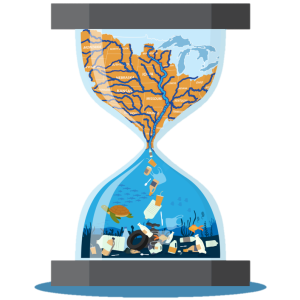
Plastic Pollution, Gulf Hypoxia, and Water Quality
November 11, 2026St Charles, MO
Jennifer Wendt from MidAmerica Clean Future guides us through understanding regional water quality challenges.
See Event